How to Overcome Perfectionism Using Art Therapy & Somatic Healing
Some of us identify with identifying as a perfectionist - a desire to control, make sure everything is just right and continuing to work on something until it feels perfect (even though it never does). Many times, being identifying as a perfectionist can be seen as a flaw due to the challenges it may come with - never finishing projects, increased stress and anxiety trying to achieve perfection, criticism of self and others, etc. But what if it isn’t something that’s “bad” but reframed as a part of us that is trying to protect and keep us safe from an underlying feeling or experience?
In this blog, we will look at perfectionism through the lens of IFS and see how Art Therapy and Somatic Healing can support this part.

The Perfectionist Part
According to IFS (Internal Family Systems) we are all made up of different parts. IFS allows for you to look at these different parts from a lens of self compassion and understanding rather than judgment. In IFS, parts are defined under three different categories in addition to the core Self. These categories include the Exiles, Managers and Firefighters.
Perfectionism can be defined as one of these parts and is described as a Manager, or protective part, keeping you safe from deeper emotional pain. If we look at perfectionism from this lens, we see that it’s purpose is to keep us safe, rather than a character flaw we struggle with. From this place of self compassion, we are able to increase our capacity to understand and cope with the challenges that may come along with this experience.
Why and How Perfectionism Develops
If you grew up in a home with a parent who was emotionally checked out, struggled with depression or there was chaos in the home, you may have felt out of control in so many ways. If you struggled to feel as though you fit in with your friends or family members, life may have felt out of your control. When life feels out of our control, our internal alarm system seeks to find ways to return to a sense of control, safety and perceived balance. One of the ways we may find this is through becoming or embodying perfectionist behaviors.
Perhaps from a young age you were told you had to act a certain way and were praised when you did. Maybe you felt the only way you received attention was through a craft or talent. Somewhere along the way there was something you received that served you and lead your body to believe it was important to contine being that way and perhaps even being an expert or perfect in that experience.
Some parts of us are engrained and character traits we come with, almost like a blueprint. Others are learned or adapted due to circumstance or trauma. Perfectionism is often a way of being that is learned and, as mentioned before, one that develops to keep ourselves safe.
How Art Therapy Can Help
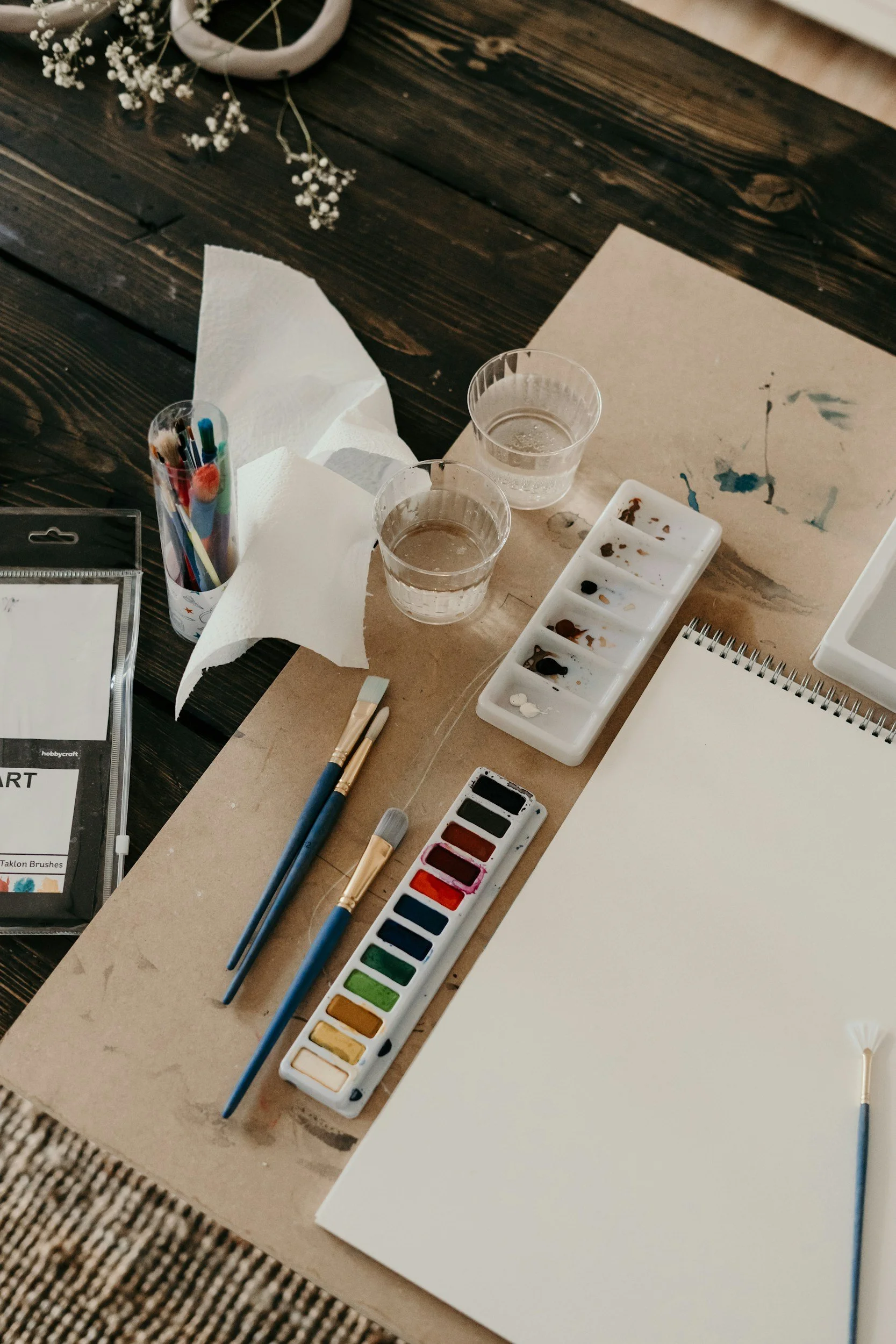
The quality of art materials exist on a spectrum - some art materials are more fluid (like paints and watercolor), others are more controlled (such as pencils) and some exist somewhere in between (for ex: markers, oil pastels, etc). Part of the experience of engaging in Art Therapy is using art materials to support you as you are exploring different emotions and experiences, not for what you make but rather the experience of the process itself.
Qualities of perfectionism can include rigidity and a need (or desire) for control. In the Art Therapy space, clients can use more fluid materials as a way to challenge some of these perfectionist behaviors and to hold space for the emotions that arise. This could look like using chalk pastels, which tend to be more “messy” as a way to see what it feels like to be less in control while still in a safe and contained space. You may also use the art materials in Art Therapy as a way to implement titration - moving between using a more controlled material and then a more fluid one (watercolor pencils are a great way to explore this).
Art Therapy can also be a beautiful way to personify and create this part. How does your inner perfectionist look? Is it a symbol, color, object or person? Art Therapy can be a support for you to better understand and see how this part looks.
The Art Therapy space allows for you to sit with and experience some of the more challenging emotions associated with perfectionism in a safe way rather than just talking about it.
How Somatic Healing Can Help
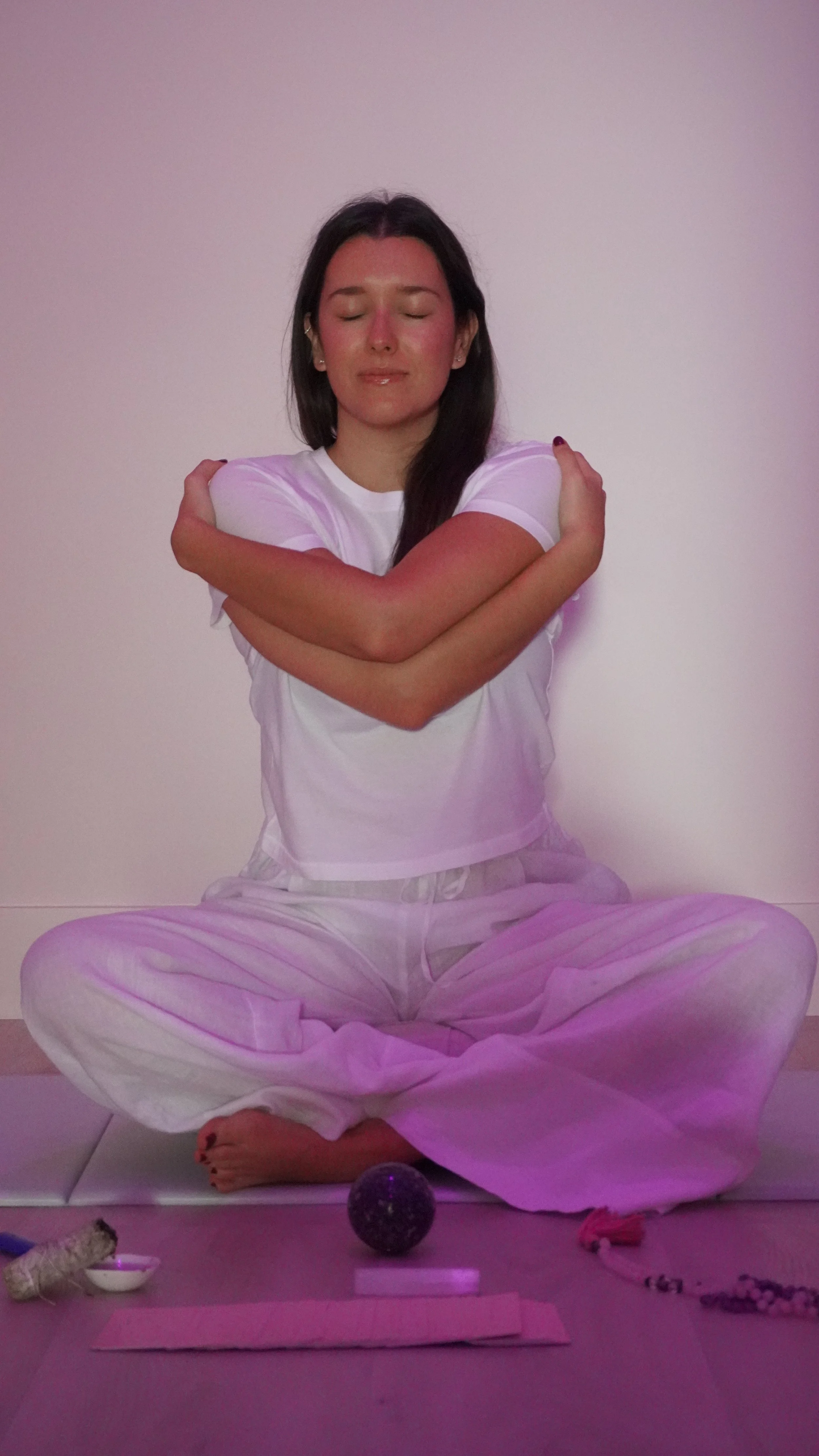
In Somatic Healing, mindfulness is used as a tool to connect with the body and its sensations. For perfectionism, there are a couple of ways in which Somatic Healing can support you in an individual session:
Establishing safety: one of the key principles in Somatic Healing is to establish a sense of safety in the body. This can be done though visualization, movement, breath or even creative practices. Feeling more safe in your body can support the moments when fear (or challenging emotions) may feel like they are taking over - which can ultimately be a reason why your body is seeking to control or implement perfectionist behaviors.
Connecting with the part: Somatic Healing can support you in connecting with the perfectionist part, leading from a place of curiosity. Through visualization and sensation, you can start to notice what does this part feel like, look like, say and what does it need. All of which can help you identify when this part is coming up for you and how you would like to respond.
Resourcing: another key principle in Somatic Healing is resourcing. Resourcing involves finding the tools within yourself to support you body’s needs in the moment. The perfectionist part often arises when our body is seeking something out and once we know how to support it, this part can find relief and calm.
Your perfectionist part is not one that you should try to change or force your way out of but is rather an opportunity to lean into curiosity and understanding as to why it may have developed as a need to keep you safe from challenging emotions. Engaging in both Art Therapy and Somatic Healing (either together or separately) can be beautiful ways to support you and your body to tend to the emotional experience, discover and tend to its needs.
If you are located in Miami (or Florida), I currently have availabilty for sessions in person or virtually for individual Art Therapy and Somatic Healing. To learn more and see if working together could be a good fit, schedule a free consultation call here. If you are looking for something that is self paced or you are not located in the state, my Manage Your Anixety Workbook is available for download now which includes a section on parts work, blending the creative process and somatic healing.
