Why Emotions Need Movement
What Happens When They Stay Stuck
Emotions can be defined as energy in motion and are identified by the sensations in our physical body. Some examples of this can include: tension in our shoulders, cold hands and feet, stomach turning or unease, etc. Our emotions are the ways in which our body communicates with us and why it is so important that we not only listen to them but find ways in which we can tend to and move them.
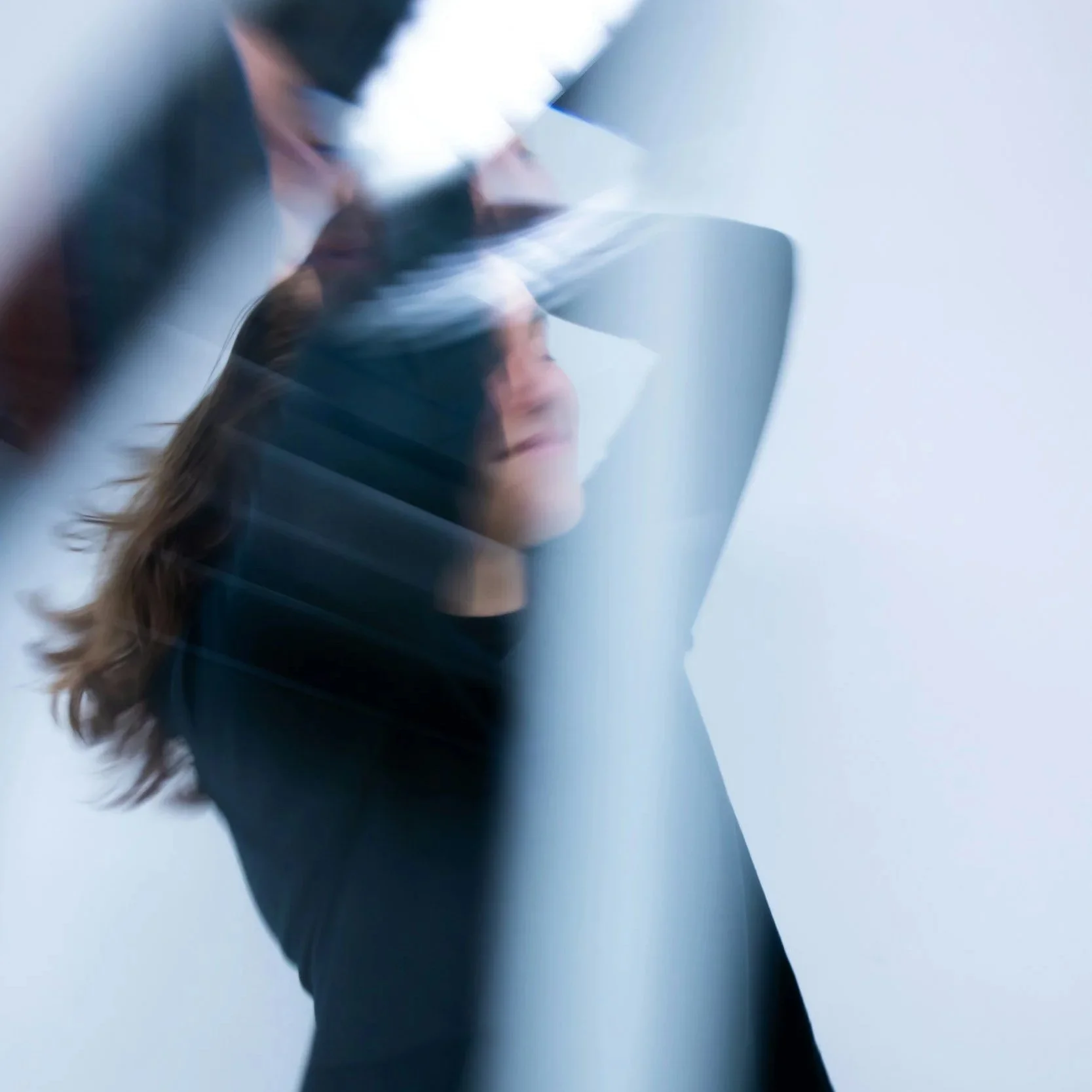
The language of emotions
Since emotions appear in the form of energy and sensations trying to talk or think ourselves out of or into understanding them is simply not effective. It is as if you only speak English and someone tries to talk to you in French - not only would you not understand but you would probably feel incredibly confused. This is the same thing that happens when we try to speak to our emotions rather than use somatic tools - the language of the body.
When our body feels tension, unease, frozen or numb - movement can be a beautiful way to support it and bring your body into a more safe space. It allows for us to speak the language our body understands and our body begins it’s natural process of release.
What is Somatic Healing?
The word soma is a greek word for body. Somatic Healing is a direct way to support healing the body through mindfulness practices and principles. In Somatic Healing sessions with a practitioner, sessions may include:
Grounding and Safety: time in mindful reflection to ground and invite your body into a sense of safety - exploring what that means and looks like for you. This can also include tools to support you to continue to find ways for your body to feel more and more safe.
Exploration and Curiosity: often involves using questions as a way to explore the body’s inner experience. How does your body feel? What physical sensations are present for you? How does this feel for you? Are these familiar or new? Etc.
Comfort and Resourcing: this is where you spend the time truly tending to your emotions and needs. This involves gentle touch, somatic practices and resources to support you and your body.
Consistency and Continued Support: with continued curiosity, dedication and resourcing, you continue to remind your body of its safety, worthiness and where the healing continues to happen.
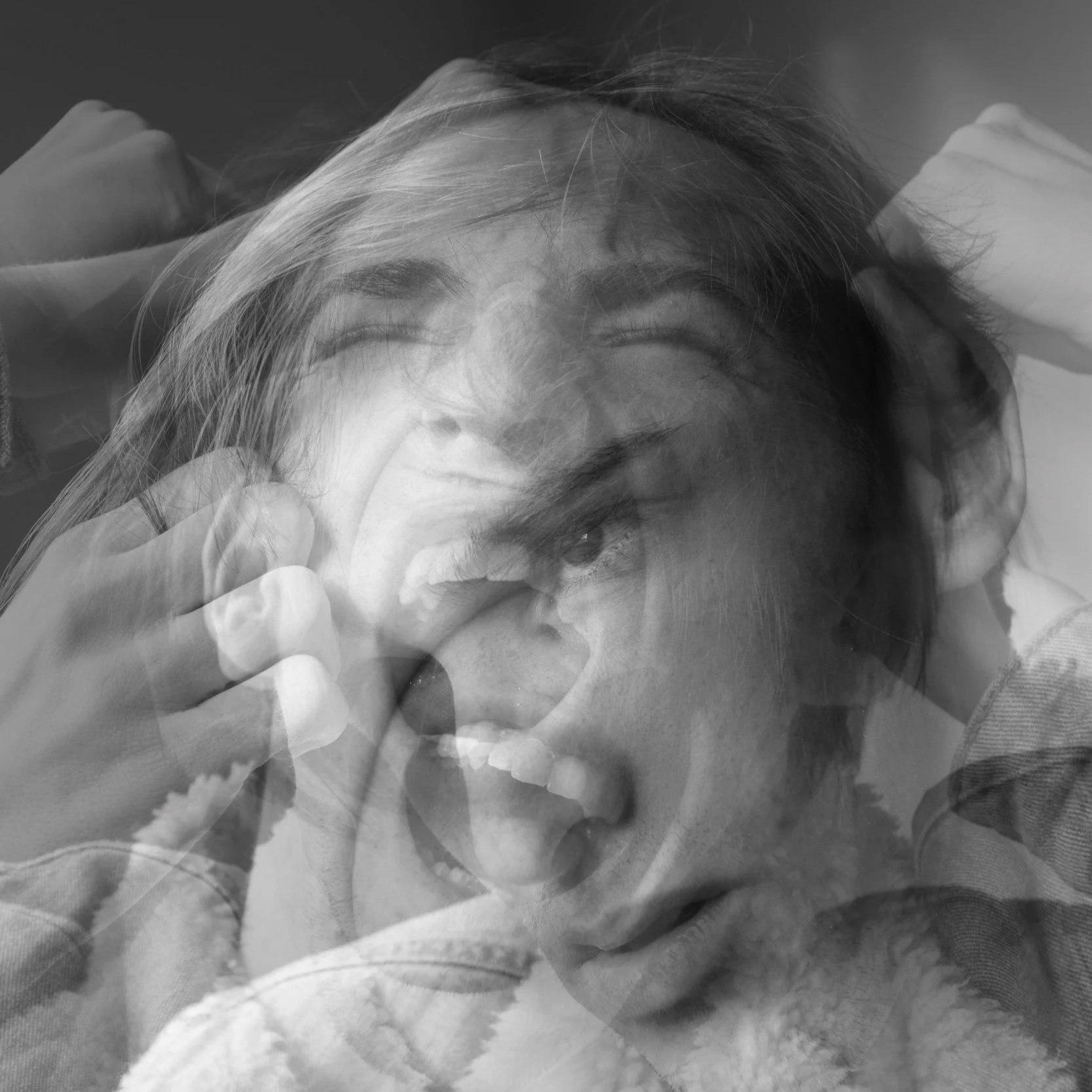
What happens when emotions stay stuck?
Since emotions are made up of energy, it is important that our body feels supported, seen and understood. When we do not give our body and emotions the attention and resources to heal, the emotions can start to feel stuck.
Stuck emotions can lead to:
loud symptoms of anxiety in the body - rapid heartbeat, constant ruminating thoughts, cold hands or feet
panic or anxiety attacks that feel like they are “coming out of nowhere?
chronic fatigue or burnout
illness, headaches, body pain, etc.
challenges with our creativity and connecting with our sense of self
These symptoms are not signs that something is wrong with you. They are signals that your body is holding something that needs attention, care, and movement.
Even the smallest amount of movement can create meaningful change. Gentle stretching, slow rocking, dancing to a favorite song, mindful breathing, or letting your body guide you as you paint or draw can all help emotions begin to flow again.
You don’t have to push, analyze, or force healing.
You just have to give it space to move.
