What happens in an Art Therapy session?
One of the main questions I get as an Art Therapist is: what happens in an Art Therapy session?
When most people hear the word art there is the assumption that you need to be “good” at it or an “expert”, making many people feel that they cannot participate in the art-making process unless they fall in one of those categories. And while that may be a point of focus in an art class, the Art Therapy process is much more gentle, slow and supportive. It is less about what you create and more about your process and experience.
IMPORTANT DISCLAIMER
You don’t have to have any experience in art-making, creative or be able to draw to participate in Art Therapy. The art-making simply serves as a tool and vessel to support the therapeutic process. Art Therapy is not an art class where you learn to make art but rather a space for exploration and safety. Every Art Therapist guides sessions differently, this post reflects on what an Art Therapy session with me may look like.
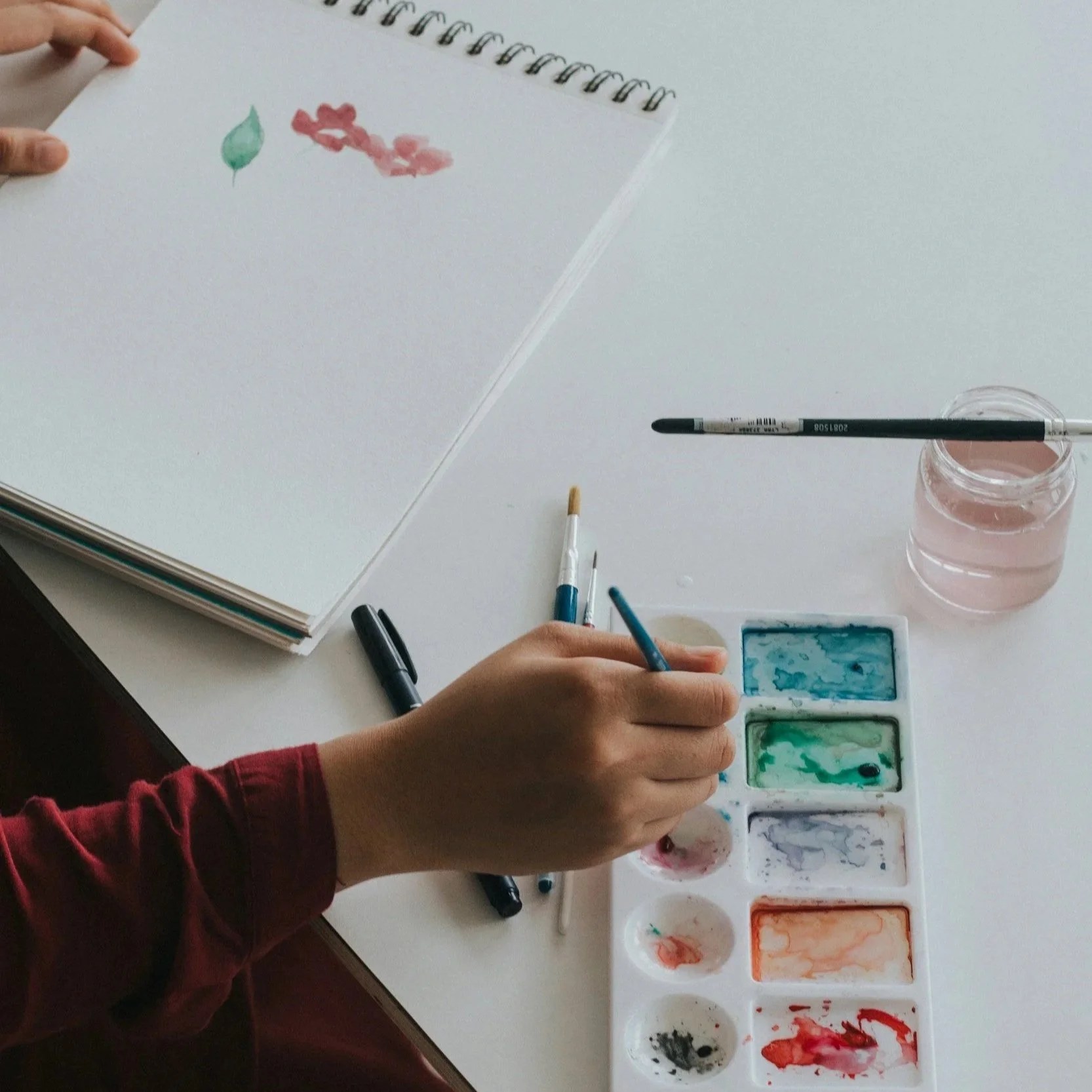
How an Art Therapy session begins…
Like most therapies, the start of an Art Therapy session begins with a check-in. This check-in serves as a chance for the client to share about their week, anything new that has come up or reflect on any loose ends from the previous session. This allows for the therapist to better understand how the client is feeling and what they may be coming into the space with. In an Art Therapy session, this may be done verbally or with art materials as a way to express yourself nonverbally. This check-in also allows for the therapist and client to decide on what will be the goal for the session.
The Creative Process
Next comes the creative process or the “bulk” of the Art Therapy session. Once you and your therapist have checked in and discussed what you may want to process, reflect or work on in the session - the creative process begins. It is in this time that your therapist may suggest an art therapy directive, similar to a project - it is a set of steps or instructions and ways for you to use art materials to express your inner experience. An example may be using markers to draw symbols for the sensations experienced in your body to better understand and process your anxiety.
While you are engaged in your art-making process, the Art Therapist is often observing your process - not judging or deciding what you are doing rather observing from an unbiased perspective. This supports the therapist in later offering reflections on your process or may help guide the questions of curiosity to work with you to better understand your experience and find the most effective tools or coping skills. There are times where clients may talk while making art and others silent - neither is right or wrong, simply personal preference.
Then, we welcome in a period of processing. Together, the therapist and client look at the artwork to explore and discuss themes, colors, symbols and any personal meaning the client may have discovered or portrayed. The role of the Art Therapist is to offer reflective questions and support you in understanding your experience. It is a misconception that your Art Therapist is analyzing you or your art - we are not trained or taught to do that. Your Art Therapist is also not placing judgment on the quality of your work. Once you have processed your art with your therapist, you may practice or explore coping skills to support you both in and out of the therapy session.

The transition out
As an Art Therapist whose goal is to provide a safe and supportive space, the ending of a therapy session and your transition back into the “real world” is an important part of the process.
At the end of a session, you may discuss therapy homework which may include implementing coping skills learned or discussed, continuing your art process or even a question for reflection for your week. The end of the session is also a great time to do some grounding either using art or a mindfulness exercise. This allows for you to feel safe and supported as you continue about your day and week.
When working from a client centered approach, each session may look and feel different - that is part of the process and the natural ebbs and flows of our human existence however the goal of a safe and supportive space for the client is always present. Art Therapy has the power to provide an additional safe space in the process of creating and using art materials in sessions. Over time, you may feel more connected to yourself, your body and creativity while being able to better manage and heal from your past experiences.
If you are located in Florida, curious and want to explore Art Therapy for yourself, schedule a free consultation call with me today to explore what working together may look like. I currently have availability for individual sessions both in person and virtual. If you aren’t located in Florida and want to find a therapist near you, use the art therapy locator here to explore your options.
