How to Choose a Somatic Healing Therapist in Miami: What to Look for…
If you have been exploring ways to connect further with your body, Somatic Healing may be what you are looking for. When searching for the space that feels like the best fit for you, finding the right therapist is one of the most important parts. Somatic Healing and Therapy can look different depending on the therapists’ approach, training and experience. Finding a therapist who understands you, your goals and can help you find supportive ways to reach them can make a world of a difference in your healing process.
What is Somatic Healing?
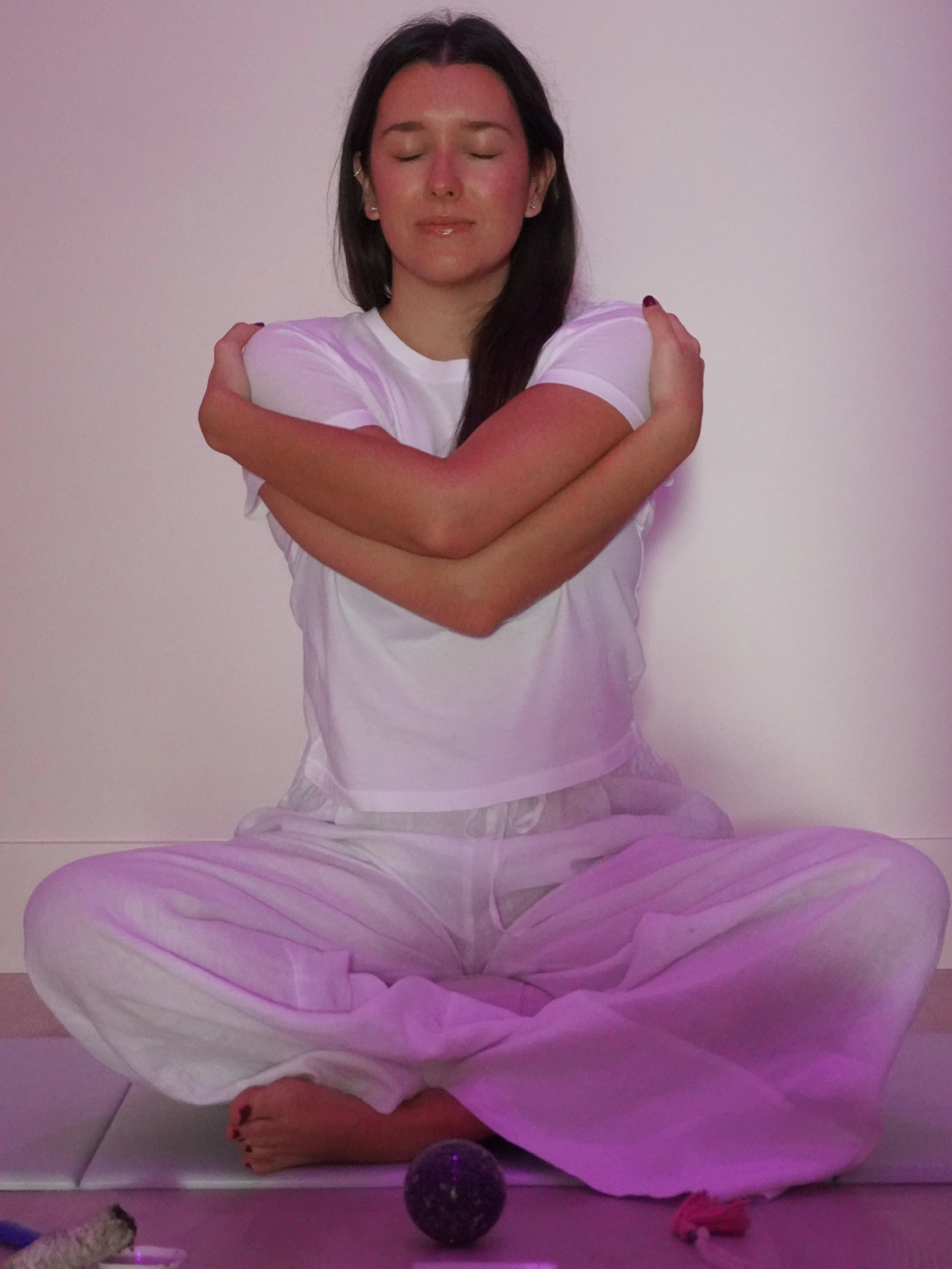
Somatic Healing comes from the greek word ‘soma’ meaning the body. In Somatic Healing, one of the main goals is to support you in connecting with your body. This involves noticing, naming, understanding and listening to your body’s sensations and signals as well as finding the tools to best support your body (otherwise known as resourcing).
Somatic Therapy and Somatic Healing are often times used interchangeably yet can vary in approach, tools, techniques and credentials in the practitioner providing the services. Rather than focusing on your thoughts, experiences and memories, Somatic Healing allows for you to find a sense of safety, to slow down and to connect further with the information our physical body is providing us with.
What to Look For in a Somatic Healing Practitioner:
Like in any field related to healing and mental health, there are certain things to look for in the practitioner you may choose to work with. Below are some things you may want to look for.
Therapist Training and Credentials
As you may have noticed, every therapist possesses different credentials - this is what makes them able to (both ethically and through their education) to work with clients in their field and area of expertise. Most somatic therapists posses some type of mental health practitioner license that allows for them to practice in their state. Some of these include: licensed mental health counselor (LMHC), licensed social worker (LCSW), licensed marriage and family therapist (LMFT) and even those in the creative arts such as board-certified, registered Art Therapists (ATR-BC) or licensed creative arts therapists (LCAT). In order to receive these credentials therapists have to have completed a master’s program, passed their licensing exam and completed a certain number of supervised and client contact hours.
In addition to this, therapists who use somatic healing in their practice receive extra training or certification as well as continuing education credits to continue to practice ethically in the field and continuing to expand their knowledge. Some of these may be a somatic experiencing practitioner (SEP) or an integrative somatic trauma therapy certificate among other certification programs.
I always encourage those who are seeking out a new practitioner to not feel afraid to ask questions on their training and credentials, while the letters after their name may only mean so much (as it won’t tell you an ything about the relationship) it does demonstrate a level of ethical professionalism and care for their clients. I, for example, completed my master’s in Art Therapy and creative development, worked towards my license as a Creative Arts Therapist (LCAT) and I am a board-certified, registered Art Therapist who then worked on the Integrative Somatic Trauma Therapy certificate. All of which has allowed for me to have both the knowledge and confidence to use both Art Therapy and Somatic Healing (and often a combination of the two) in order to best support the clients I serve.
What Experience do They Have With your Concerns, What Approaches do They Integrate and How Does the Therapist Incorporate the Body?
What are you seeking out help with: anxiety, depression, bi-polar disorder, managing physical symptoms, healing from trauma, increased self esteem and self worth? Maybe it’s a combination of these. It is important to look for a practitioner who has experience and maybe even specializes in what your concerns are as this can help not only narrow down your options but may also help you feel more safe in knowing that the person you are choosing to work with has experience with your concerns. Some practitioners may not work with clients with your specific concern, this does not mean anything about you, it can be a beautiful redirection in finding what will be the most supportive for you.
Some therapists choose to integrate different approaches and modalities in treatment. These may all be under the similar umbrella of somatic approaches such as yoga, somatic experiencing and gentle touch or they may include both talk therapy and IFS. This can also support you in further narrowing down the options of the practitioners that may best support you.
Similar to getting an understanding on the practitioners experience with your concerns, it can be helpful to best understand how the practitioner incorporates the body. Do they use touch? Is it similar to a yoga or movement practice? Is it more similar to somatic experiencing or involve the use of mindfulness? This will also help you find the best fit for you with what you feel most comfortable with, either exploring or that feels more familiar.
I use a more mindfulness based practice with clients as I find it to be best in supporting those with anxiety, trauma, low self-esteem and grief to best. As I mentioned earlier, I also blend the use of Art Therapy with Somatic Healing as I have found it to be the most effective for the clients I serve. I also have some parameters as to what I do not use, such as self touch and who I do not specialize in working with, such as those with personality disorders - this is nothing against either but simply different from the things I have decided to focus my attention on.
Therapeutic Rapport
Aside from credentials, modalities, approaches and all the things you can read on paper about the practitioner you are either choosing to or thinking of working with, one of the most important things is therapeutic rapport, or more simply put - the relationship between the therapist and client. Therapy is like no other relationship as it tends to be more “one sided” in that you, as the client, are the one who is taking up the most space in the room. Some therapists may choose to not disclose anyting about themselves or may share very little as well. However, the relationship between the client and therapist is the most important part of the experience. We each have certain desires for how we may want to feel in the space and may include safety, gentle practices, more energetic, calm, excited, etc. This is what is both felt and built within the therapeutic relationship.
What’s Next?
The Consultation Call
You’ve done the research as to what modality/approach/concern you want more support with and have maybe even found a therapist you want to contact. The final step before your first session is the consultation call.
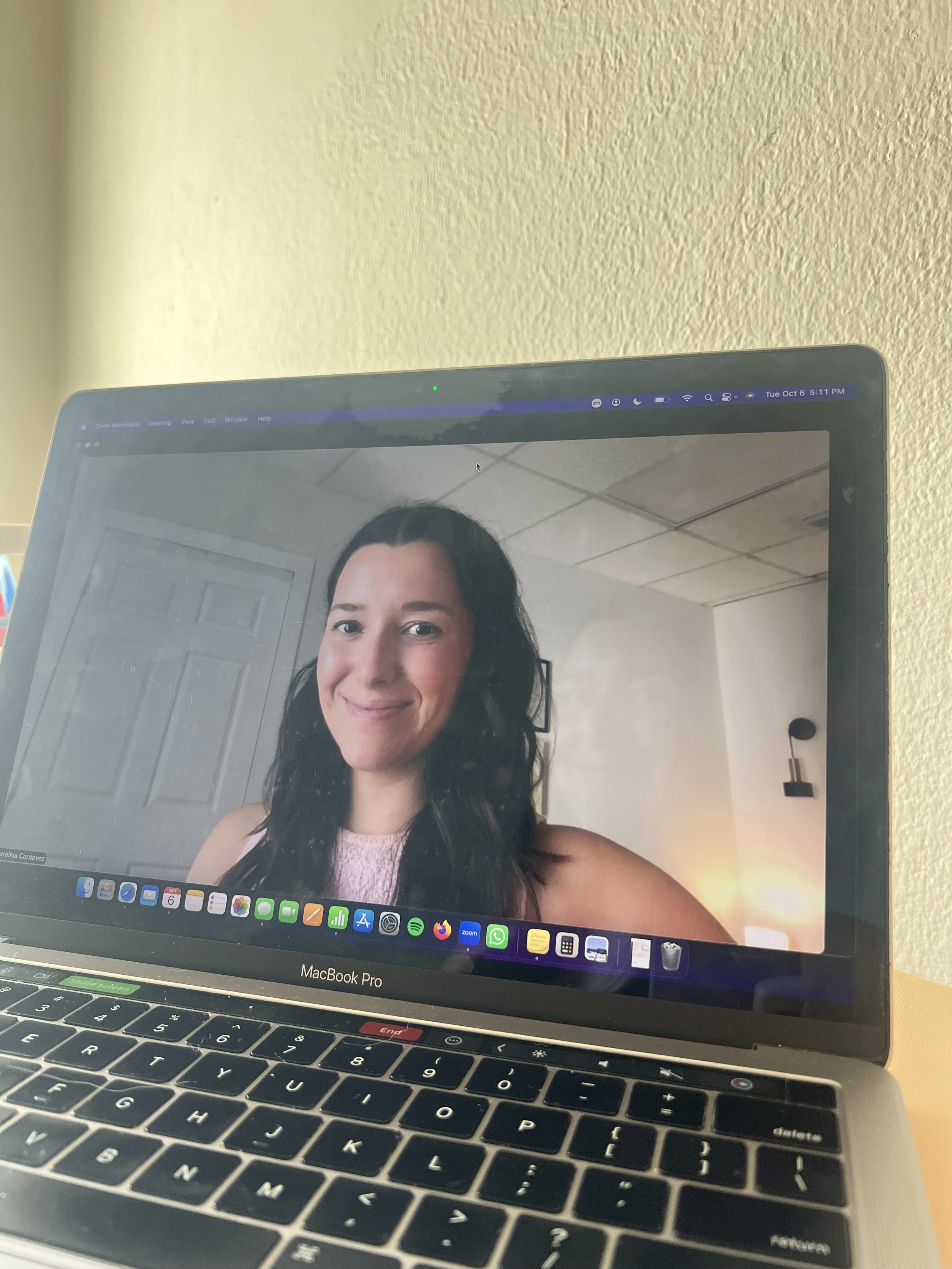
A consultation call is typically offered for free by therapists and is usually held over the phone or via video call. These calls are a short introduction which allow for you, as the client, to express your concerns, ask any questions you may have and ultimately determine if working with this practitioner is a good fit for you. These calls are a great opportunity for you to start to notice how you feel when talking to this person and if it is someone you would like to meet with on a more consistent basis.
Reminder: it’s okay if you meet with someone (or a couple of people) and it still doesn’t feel like a good fit. Don’t let this discourage you from continuing your search as there is someone out there for us all.
Finding a therapist isn’t always easy and finding one who meets all your criteria and needs (or atleast most of them) can definitely feel like an adult version of a scavenger hunt. I hope this guide serves as a supportive tool for you to come back too and get a better understanding of what to look for and how to find the best practitioner for you.
If you are in Miami, more specifically Coral Gables and are looking to work with a therapist who incorporates both Somatic Healing and Art Therapy, I have a few spots left in my schedule to work either in person (in Miami) or virtually. Click here to schedule a free consultation call.
