Art Materials in Art Therapy
When you think about Art Therapy, you may imagine someone using a paintbrush, canvas, and a palette of colors to express how they art feeling. And while this may be a part of an Art Therapy session, it is not the only way it may look. Art therapy can involve a wide range of materials—and the material you use can influence how you experience the creative process.
Some art materials offer a lot of structure and control. Others are loose, unpredictable, and difficult to fully control. Somewhere in between is a wide range of possibilities.
There is no universally "right" material. The goal is to explore what different materials invite.
Art Materials Exist on a Spectrum
In Art Therapy, this spectrum can be meaningful. Sometimes we may need the predictability of a more controlled material. Other times, working with something less controlled can create an opportunity to let go, experiment, and connect with what is happening in the body. While I will suggest the ways in which the materials can exist on a spectrum, this may vary based off your personal feelings and experience with the different materials. Always remember to adapt the information as it makes the most sense for you.
Pencils
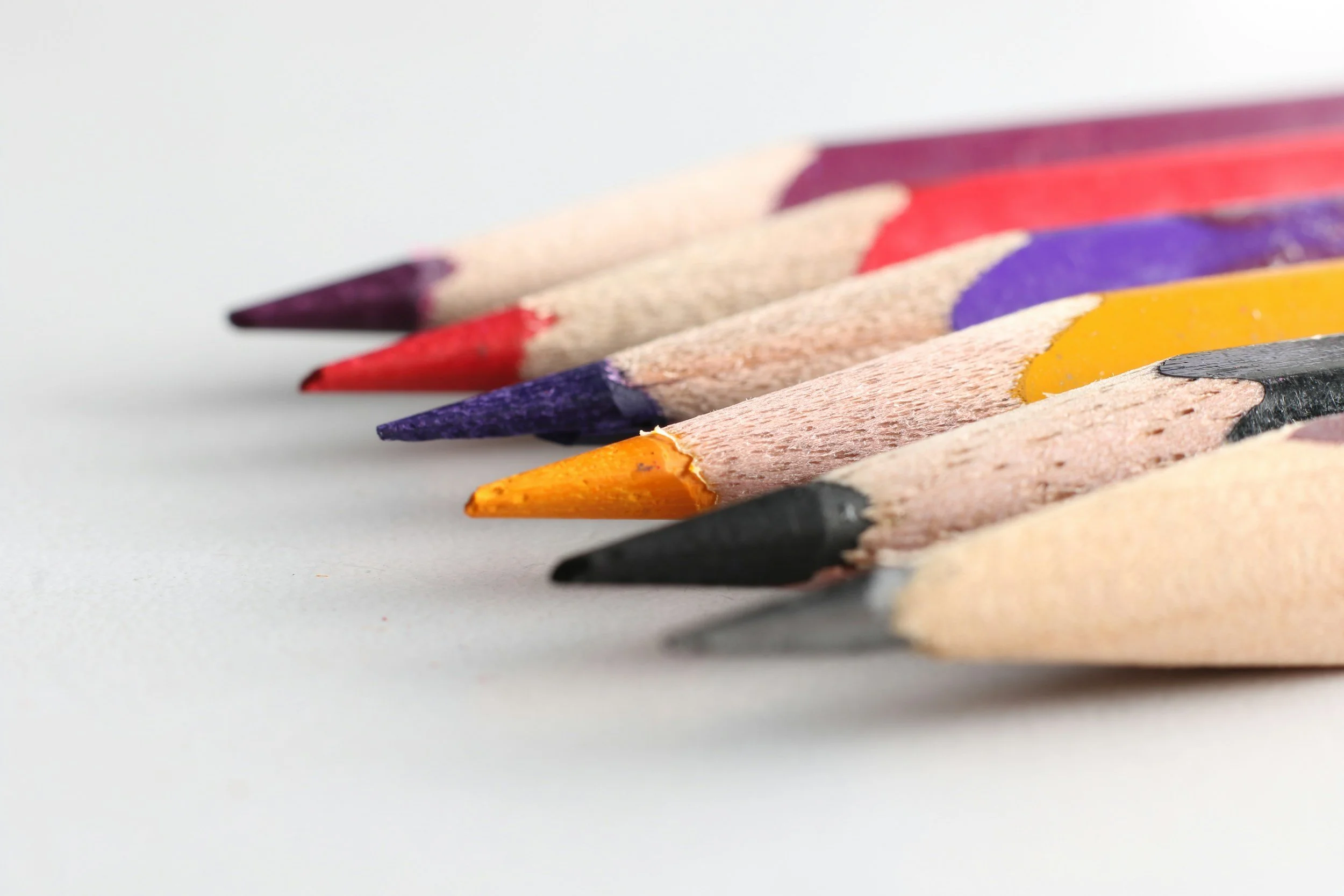
Colored and drawing pencils are of the most controlled materials on the spectrum. When using this medium, you can choose exactly where the pencil makes contact with the paper, how much pressure to use, how dark or light to make a mark, and where to stop.
Because of this, pencils can feel predictable and contained. They may be particularly appealing when someone wants to slow down, focus, create details, or have a clear sense of control over the creative process.
Markers
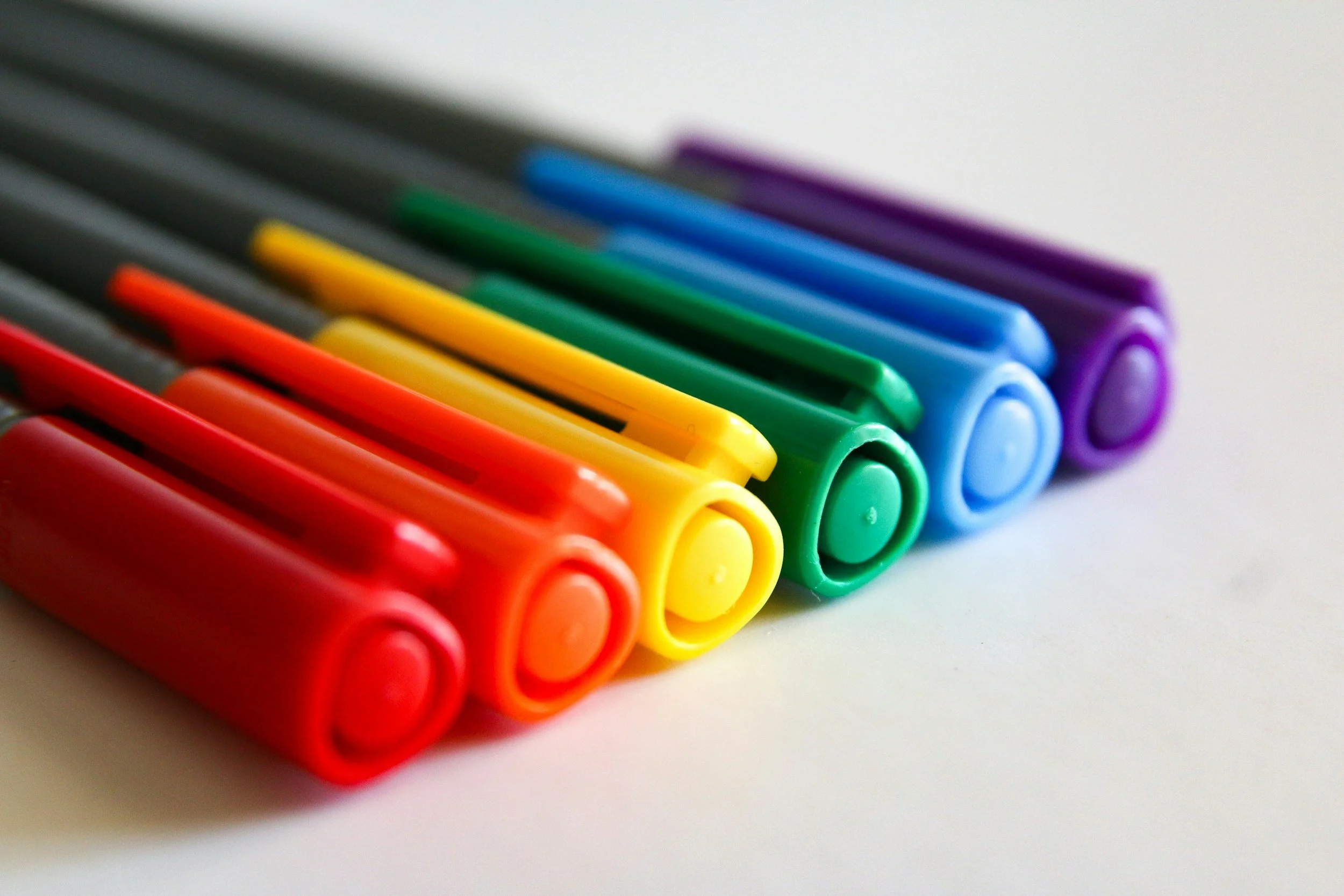
Similar to pencils, markers possess some degree of control - especially if you use a finer tip marker. Markers allow for you to create a more bold and immediate mark. However different from colored pencils, you cannot erase or undo a mark made with a marker.
Markers can be used as a support in the therapeutic space to challenge perfectionism and explore your feelings in a safe and contained way.
Crayons, Oil Pastels and Paint Sticks
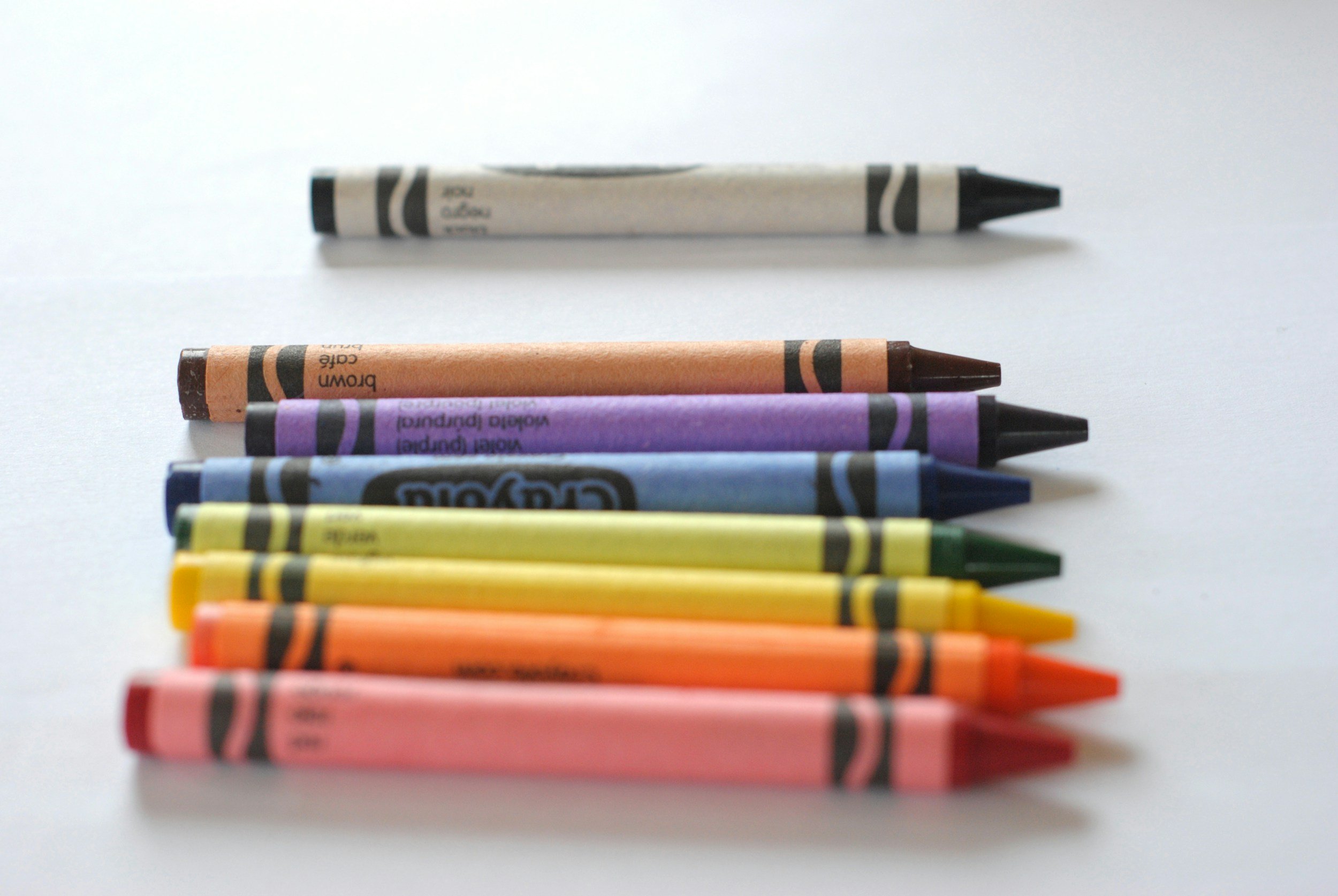
Even the category of crayons, oil pastels and paint sticks can exist on a spectrum from more to less controlled. Crayons invite in some “smoothing” and less controller in their more oil based composition which can begin to invite in some sensory feedback.
Oil pastels and paint sticks are often more blendable, can cover a larger surface, can smear and you can even use your fingers as a support in your process.
Chalk Pastels
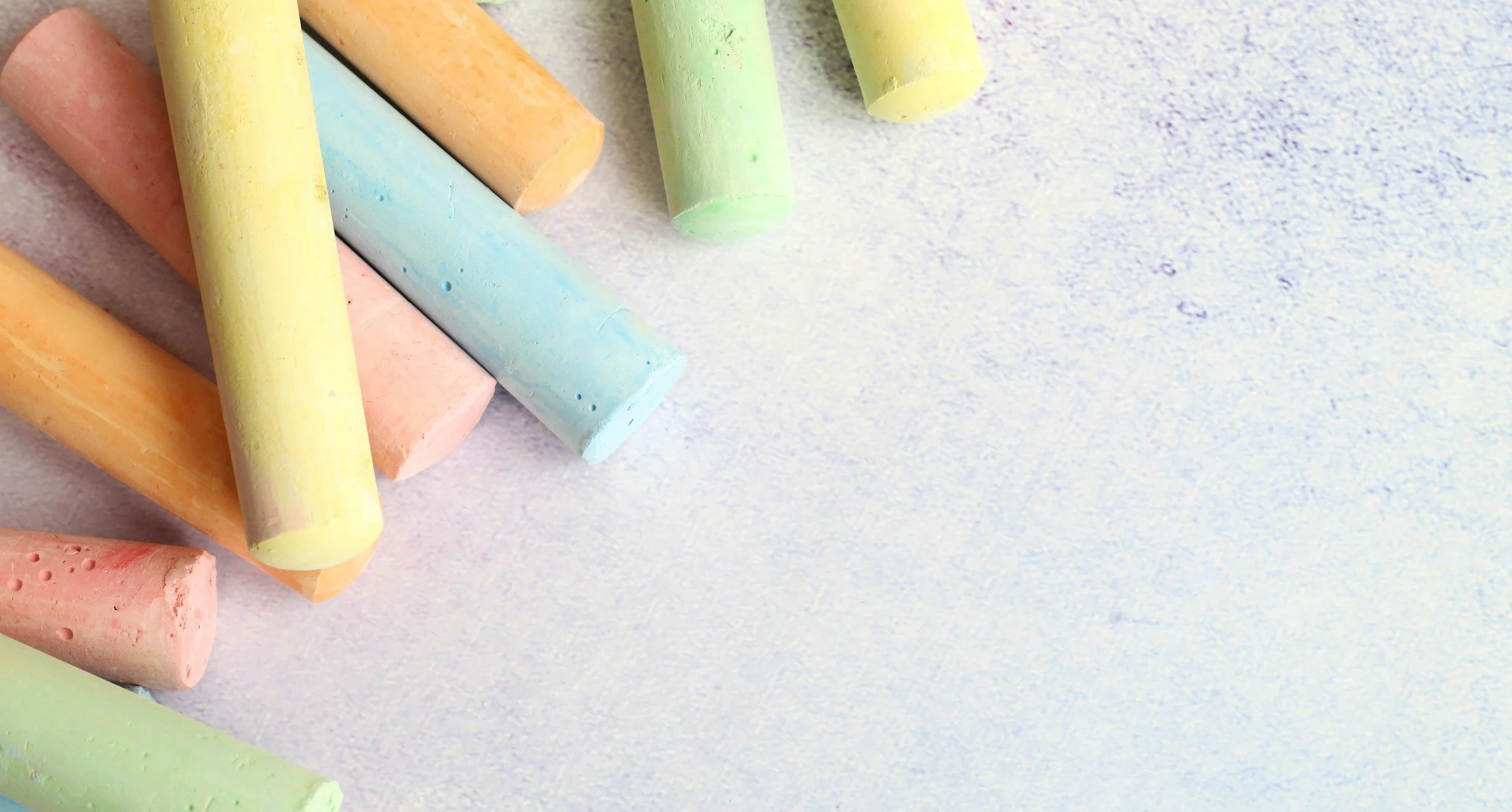
Although similar in name to oil pastels, chalk pastels can be a lot more messy due to their chalk residue. While this medium can invite in more blending it is much more challenging to use for fine details and can be less forgiving when “mistakes” are made. Chalk pastels also possess a high sensory component which may impact the art-making process for the user.
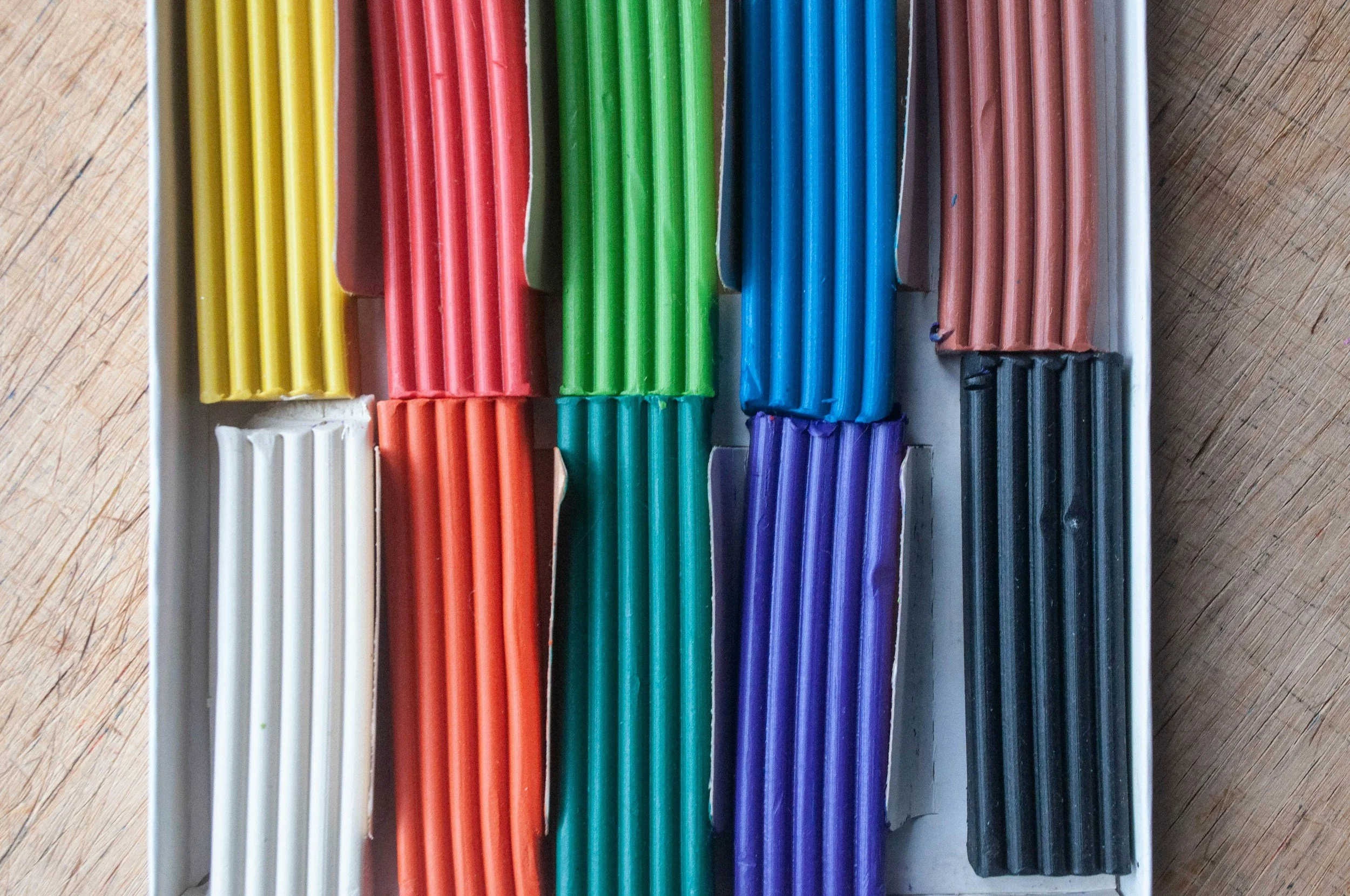
Model Magic, Play-Doh and Clay
Similar to the crayon category, model magic, play-doh and clay exist on the spectrum themselves due to the levels of wet vs dry in the clay. Model magic, for example, is rather dry as a medium. It also does not have a smell and will not leave a residue on your hands like play-doh or a more natural clay will.
Any medium that allows more molding and use of the hands-on (tactile) experience exists closer to the less controlled side of the spectrum. It also engages you in creating in a three dimensional realm - you can mold it, squeeze it, punch it, pull it, build it, take it apart, etc. Clay is a beautiful medium for a highly somatic approach, getting your body involved in the process.
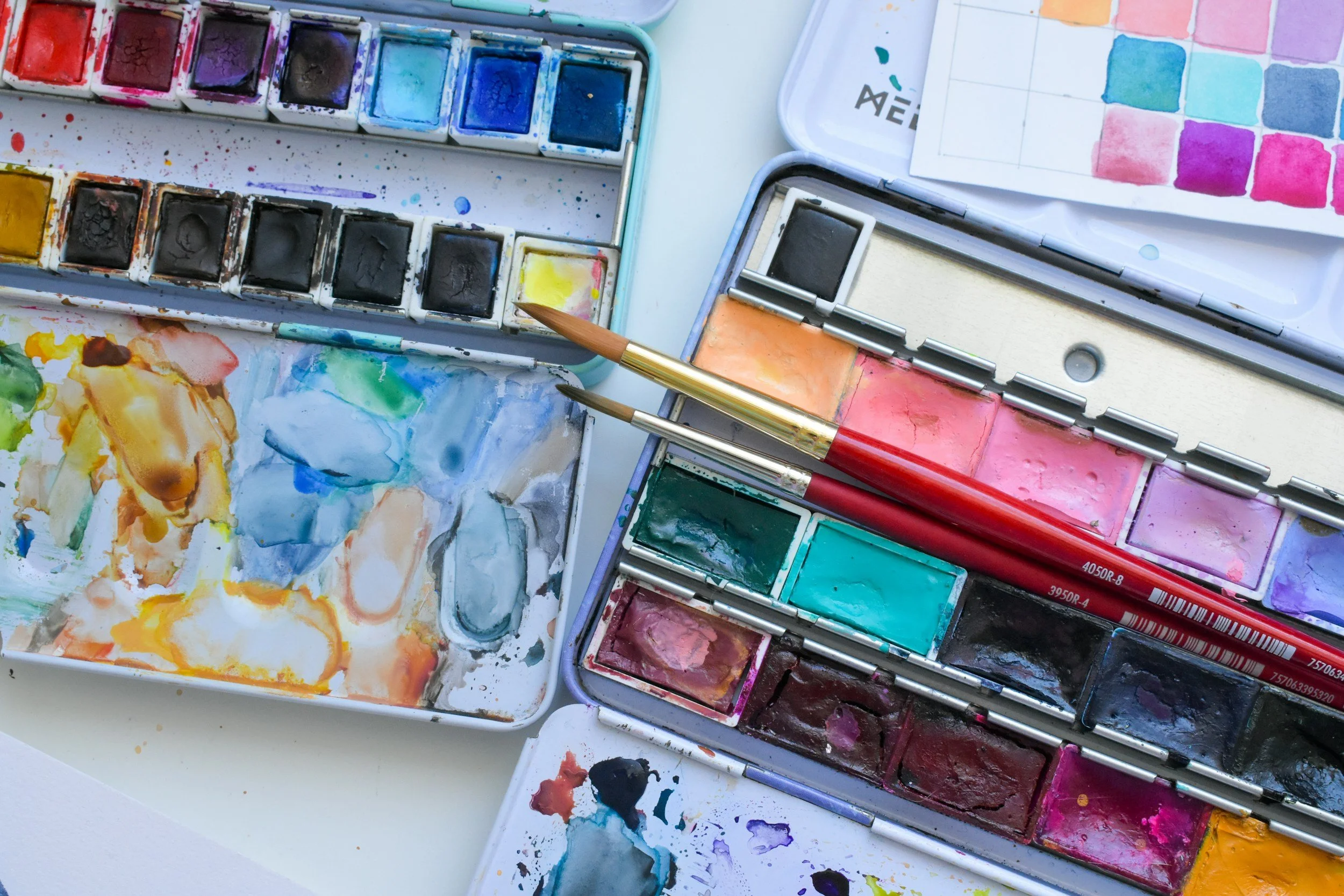
Paint
The final and most fluid medium on this list is paint. Although I sound like a broken record, different types of paint exist within their own spectrum. Acrylic paint may have more control than watercolor or finger paints yet will be more fluid than crayons, markers and colored pencils. Acrylic paint also dries quickly, in comparison to oil paint, which allows for “mistakes” to be corrected or an opportunity to try again.
Materials such as paint and clay are not only the most fluid but can also be more dysregulating and/or triggering. This is why working with a trained and certified Art Therapist is important as they know how the materials can support you rather than cause more emotional harm.
What Material is the Best?
Neither material is better than the other and is influenced by many different factors. As I mentioned earlier, the way that it feels for you, the one using it, is the best material for you. Just because a material is more fluid, does not mean that someone who is more rigid will enjoy or need it most. The same applies for a more controlled material, such as colored pencils - it may not always be the best for someone who needs more structure. However, this list and this awareness of the spectrum can be a way to find increased support and exploration in your process, especially if you are feeling stuck. If you are in the process of exploring your creative expression, using this as a way to break out of a rut or try something new can also be a great resource.
If you are feeling called to explore your creativity and use the art-making process on your healing journey, I have availability for in person (in Coral Gables) or virtual (Florida and New York) individual sessions. I offer a free, 20 minute Zoom consultation call to those who want to explore this process and get to know me better. Click here to schedule your call today.
