Perhaps you've spent time in traditional talk therapy exploring your past experiences, but feel like something is still missing. Sometimes, talking about what happened can feel overwhelming, triggering or even difficult to access. You might find yourself understanding your experiences intellectually but still feeling disconnected from your body, your emotions, and ultimately your sense of self.
Art Therapy offers another way to explore your experiences and support your healing, without relying solely on words. Through creative expression, the therapeutic relationship and mindfulness based practices, you can begin to explore emotions, build a greater sense of safety, and develop a deeper connection with yourself.
But what does this actually look like during a session? Let's dive deeper into what you can expect from an individual Art Therapy session for trauma.
What is Art Therapy for Trauma?
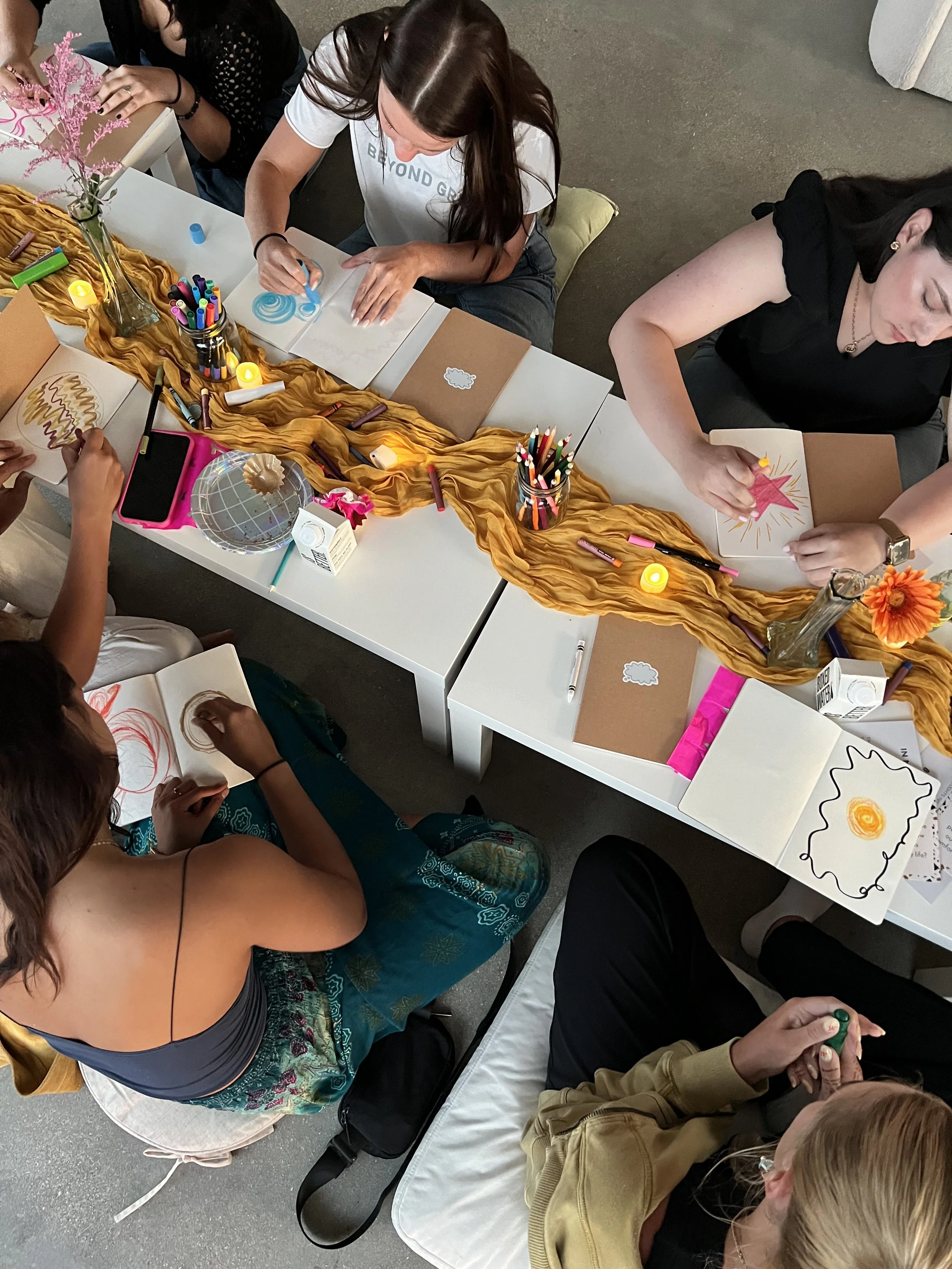
Art Therapy is a mental health practice, lead by a board certified, registered therapist, that supports clients by using visual art-making and the creative process as a form of self-expression, emotional exploration and so much more. In engaging in Art Therapy for trauma, you are able to use the creative process as a tool and support to increase your sense of safety, express your emotions and use the art as a way to help you self-soothe and find effective coping skills. Art Therapy can target additional goals such as increased self-esteem, creative development and heal various parts within us.
In Art Therapy sessions, the art-making process supports you in using more than words to express and understand yourself. Art Therapy is different from engaging in art-making on your own to self-soothe. In Art Therapy, you are held in safe space that is facilitated by a trained professional.
What Happens During an Individual Art Therapy Session for Trauma?
Art Therapy sessions can look different based off of many different factors including setting, therapeutic rapport and the therapist’s training. Sessions are often adapted and tailored depending on the therapeutic rapport, client goals and state of the nervous system. This is a general guide of what most sessions may look like. Let’s look into and talk about why each of these parts of a session are important as well.
Arrive and Check-In
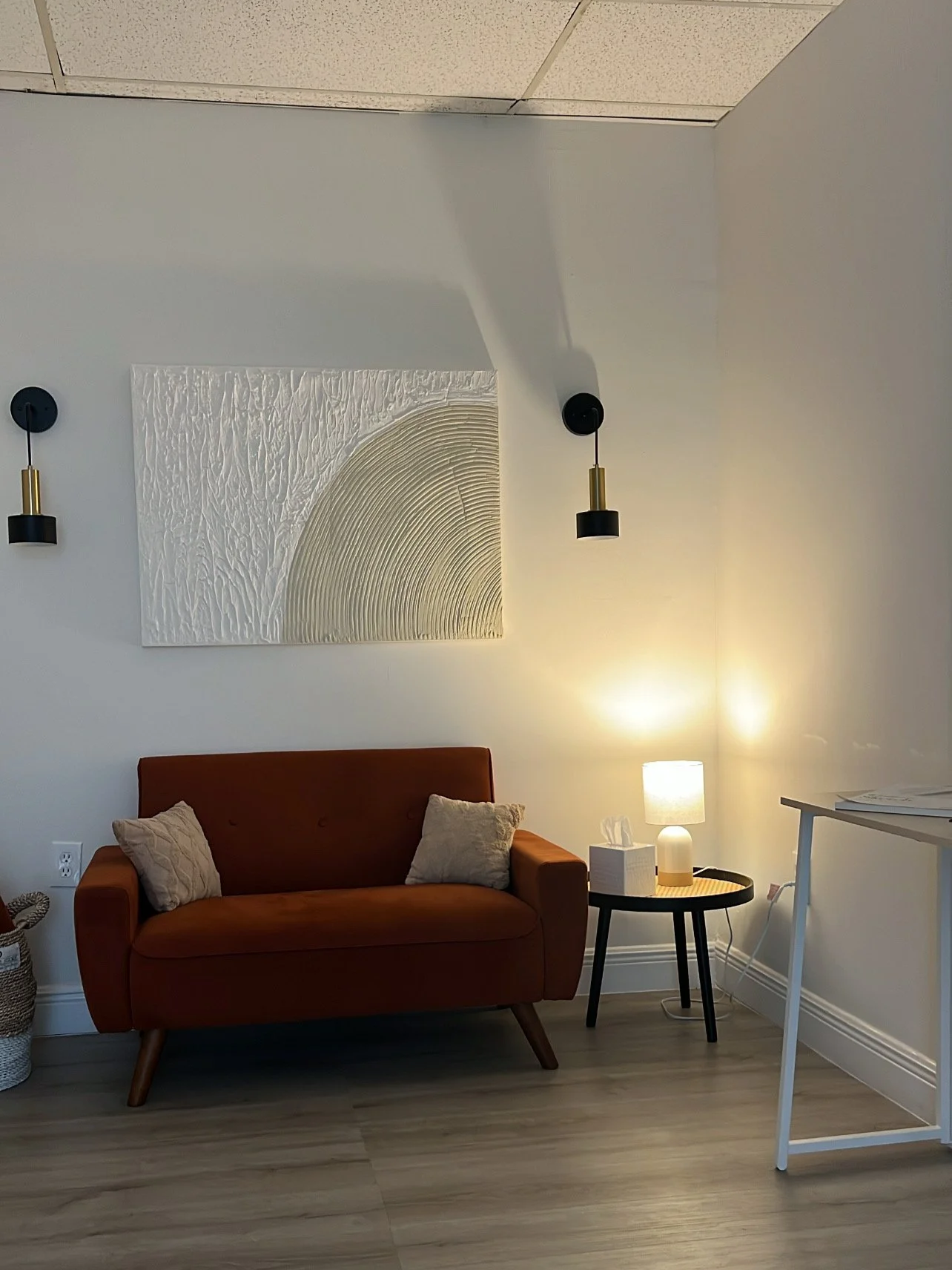
Clients may be coming into the session from work, experiencing stress from the commute (especially in Miami) or may feel unsure of where to begin. The check in at the beginning of the session, is the first way in which the client begins to settle into the space and set the scene/tone for the session.
Check ins can be verbal, or in an Art Therapy session can also begin with art-making by using prompts such as “create an image to describe how you are feeling,” “create an image to reflect on your week” or even “create an image about something you want to discuss.” An image does not always mean a drawing. An image can be using collage, an abstract piece or simply using lines, shapes and colors as a form of self expression.
In the check in, the Art Therapist can offer support in helping the client clarify what they may want to explore further in the session.
Establish Safety, Ground and Connect
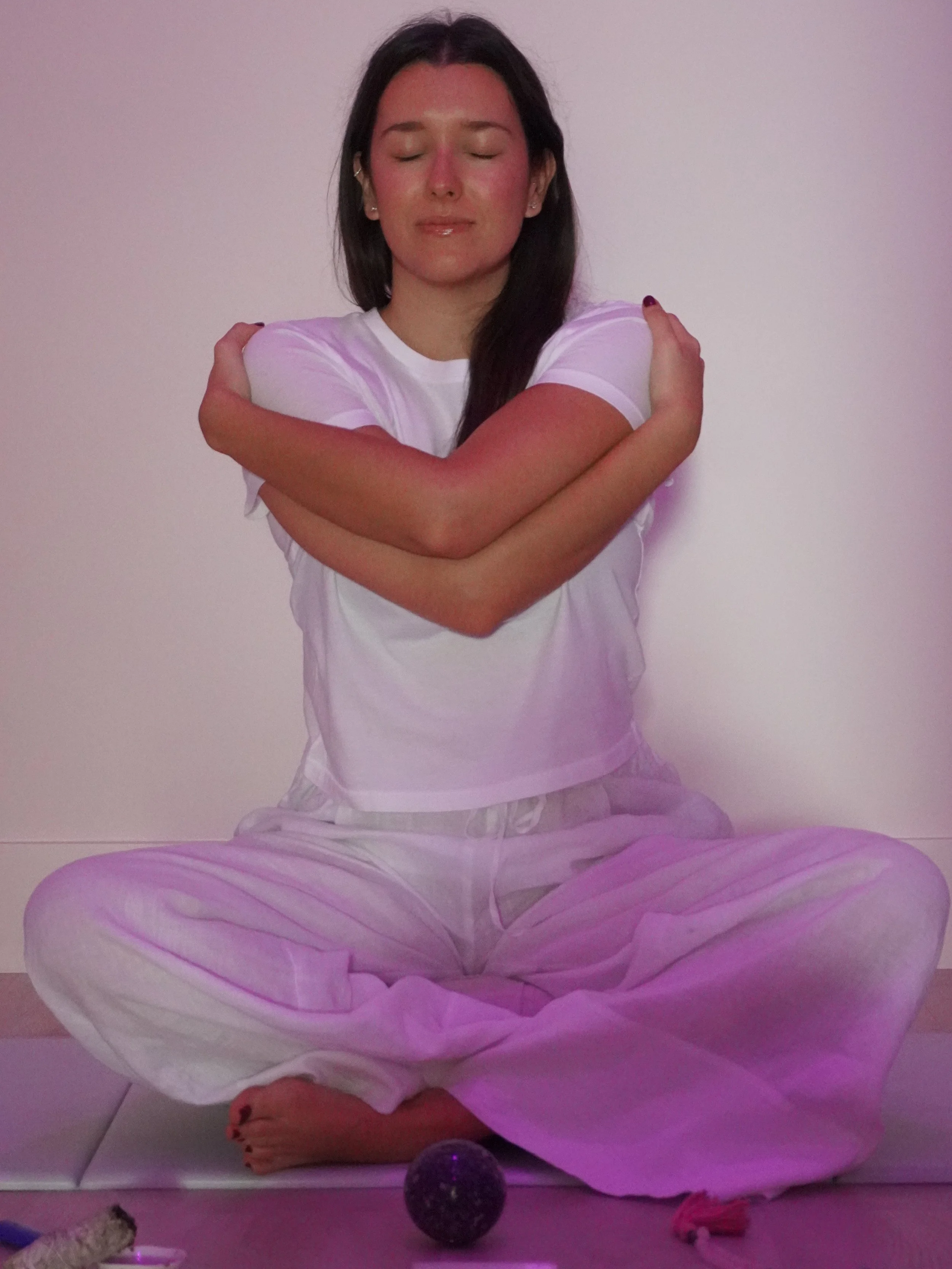
When exploring trauma - either in reflecting on memories, sensations in the body and beginning to establish coping skills - safety is always the number one goal.
As an Art Therapist in Miami, my main goal is always to support clients in finding a sense of safety in their body and the therapeutic space. The therapy office and environment is mean to feel supportive rather the one that can cause more feelings of harm or over activation - which can be more traumatizing than helpful. This isn’t to say that there may not be moments which can feel triggering yet I always want to the support the client in knowing that they are safe in the space.
As we begin to ground, we may use tools from Somatic Healing or the art-making process as a support. This may be by creating an image that feels grounding, with only shapes or colors. This can be identifying a point of contact that feels supportive for their body or gentle movement. This can even be using clay to support the client feeling something outside of their body.
Establishing safety is something that is done in every session yet may vary in length given how new/experienced the client is with the process, time spent with the therapist and how activated they may be arriving into the session.

Using Art for Creative Expression and Emotional Exploration
This is generally the “bulk” of the session where the identified goal or intention set earlier in the session is explored. In trauma therapy, some goals may include: establishing increased safety in the body, processing the sensations experienced (both past and current), re-writing the narrative or story, connecting with traumatized parts, among others.
In an Art Therapy session, we use the art materials to help us achieve that exploration. This may look like:
Using clay to notice sensations both in and outside the body. Creating a shape or container to hold challenging emotions.
Using collage materials to express different “parts” of the self and past experiences.
Using lines, shapes and colors to represent a current emotion or sensation in the body.
Creating a comic strip to tell a story or life event.
While these are some ideas that may be used, Art Therapy sessions are a collaborative effort in that the client is given choice in to how they want to explore and possibly even name the material they want to use in the session. Additionally, the directive and materials used are tailored to the client’s needs and therapeutic goals - it is not a “one size fits all” approach. In Art Therapy it is never about how “good” or what the completed product looks like but rather the process of the art-making that is important.

Reflecting on the Artwork and Identifying Resources/Coping Skills
Once the client has finished their art-making process, the therapist offers an observer perspective and reflective questions to better understand with the client the meaning of the art-work. The Art Therapist is never there to judge or interpret the art for the client but rather work with the client in gaining a deeper understanding. This may include questions such as:
What calls your attention in what you created?
How did you/your body feel as you were going through the process?
Is there any clarity or insight gained from the art-making process?
What can you tell me about the colors, shapes and lines used?
Alongside this process, the Art Therapist in client may be better able to identify client needs and support moving forward. This can involve practicing a somatic tool for the client to take home with them or a visualization practice from an image created in the session. This also offers an opportunity to “close out the session” with an additional grounding practice or discuss therapy “homework” for the coming week until the following session.
Do You Have to Talk About Your Trauma in an Art Therapy Session?
As humans, we often seek out to gain clarity by remembering and talking about the events and the “why” for our experiences. Since trauma occurs and is held in the body, this may often feel particularly difficult for clients who have experienced trauma. That is another reason why Art Therapy can be a beautiful therapeutic space to explore trauma because you can use art-making as a vehicle for self expression and exploration.
In an Art Therapy sessions with me, I support my clients in understanding the current sensations, feelings, experiences, etc. that they are left with as a way to find the tools and understanding in which supports the overall trauma healing process. It is also important that in Art Therapy sessions you do not need to draw your trauma or the events that transpired.
Is Art Therapy Right for You?
One of the most important parts in trauma healing is finding the approach that is right for you. If you want to use creativity to explore your emotions, experiences and self expression, Art Therapy may be worth giving it a try.
If you are interested, begin your search for an Art Therapist in your area, schedule a consultation call and go with your gut on what feels best for you. If you are in Miami and want to explore Art Therapy, I have availability for weekly sessions, both in Coral Gables and virtually to support you using both Art Therapy and Somatic Healing. I offer a free consultation call for a chance to explore if working together feels like a good fit. Click HERE to schedule your call today.
