Process > Product: How Being in Process Can Support You
When it comes to the visual arts, especially when taught in school or in a learning setting, much of the emphasis is placed on the product. How well were you able to add shadows to make the object look three dimensional? Is the perspective in your drawing reflective of what it looks like in real life? Is the composition and the sizing of the objects accurate? Not only are you making art and often trying to find all the correct ways to implement the technique but you then often engage in critiques where others are able to observe and provide (hopefully) constructive feedback.
This isn’t a blog post to completely bash or criticize the traditional teachings of the visual arts but an opportunity to support those who maybe never felt identified, supported or seen in that process. This is for those artists (yes, you can definitely call yourself an artist just because you make art) who have a love for the process, the engagement in play, exploration and creative expression that comes with the art-making experience. It may even be for those with a more traditional training or background who are perhaps looking to add a little something more to their experience.
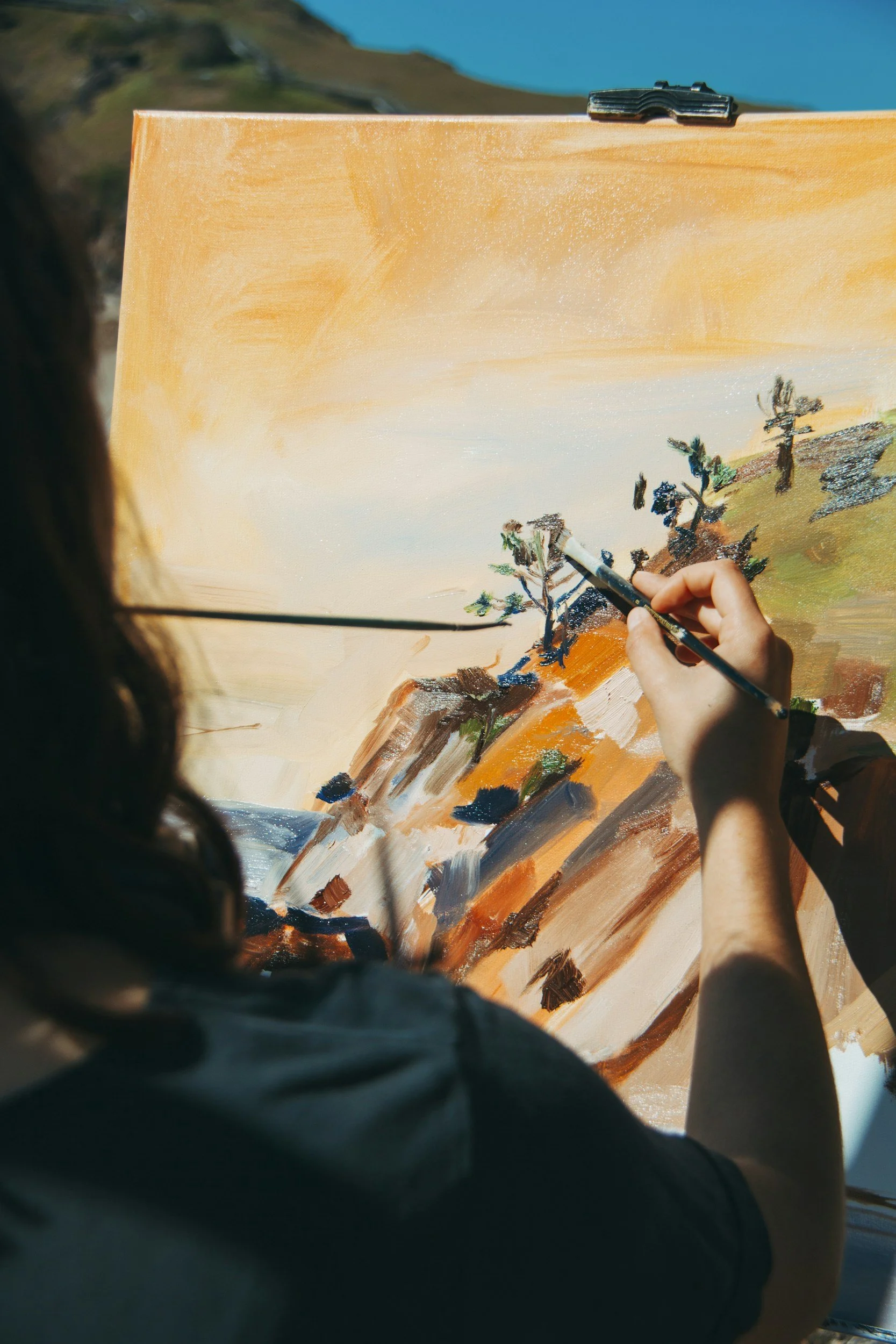
What Happens When We Are Engaged In And Observing The Art-making Process?
When you are in the process of art-making and noticing your experience you may realize that you are:
feeling the emotions that arise : frustration, excitement, disappointment, joy, etc.
carrying your body : tension, ease, rushing, gripping, holding, etc.
hearing your inner critic or perfectionist telling you how your art may look or thoughts about your self worth.
in the experience of play and pleasure in the experience.
When you are attuned to your art-making process your awareness starts to grow towards your inner state, a reflection of how you may feel not just when you are making art but in your day to day life as well.
Why This May Feel Challenging…
Few of us have been taught how to be attuned to our thoughts, emotions and sensations and may often see these things as a burden rather than supportive information and cues from our body. Since we have not been taught that before, it can bring up feelings of discomfort and ultimately a challenge for many of us leading us to believe and feel that this is something “wrong.” However, discomfort and learning to sit with it can support us to become more flexible, build frustration tolerance, increase resilience and become more self compassionate. It is in the safe space of the art-making process that we are able to practice tools that will support us in our everyday lives.
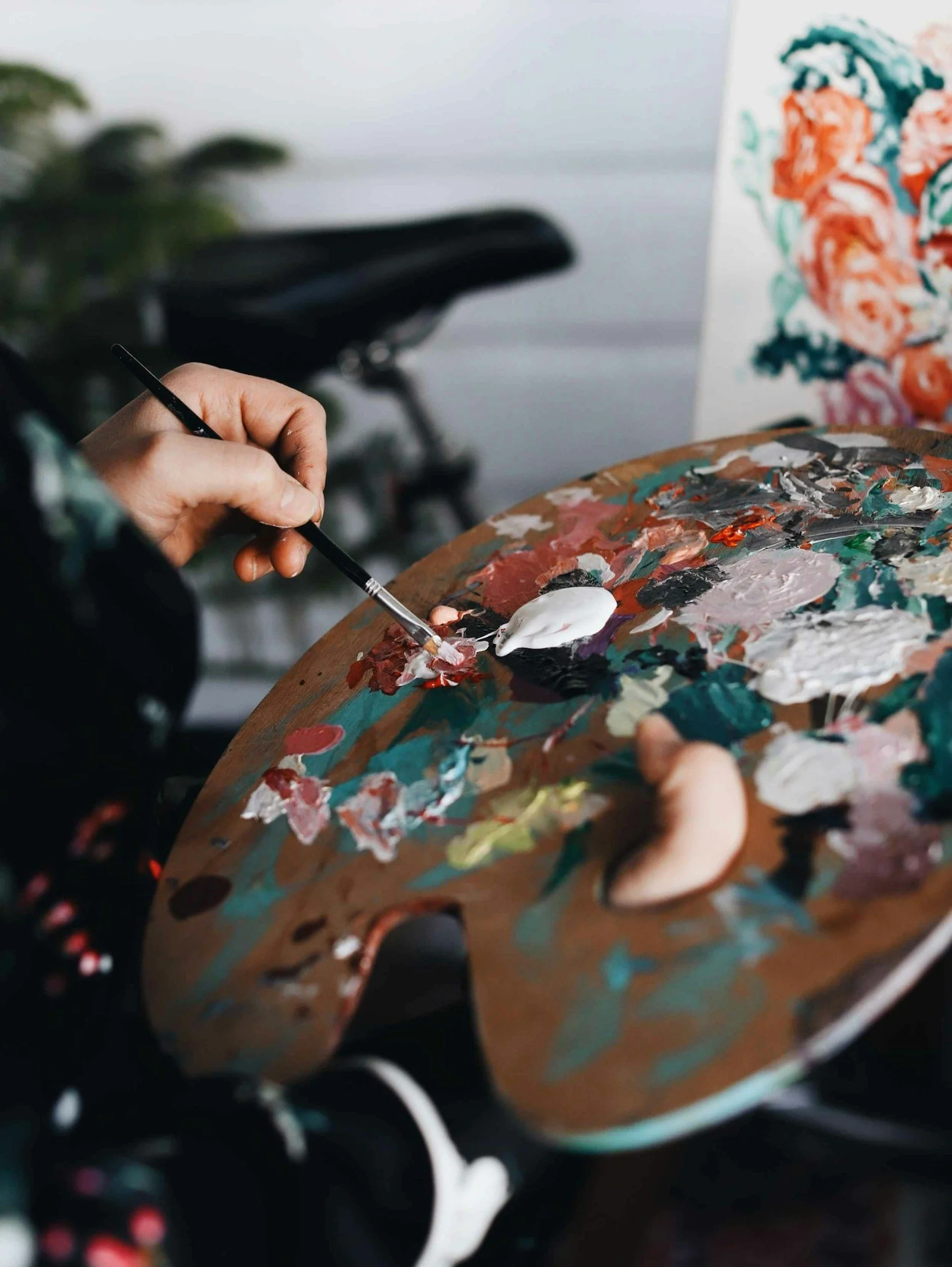
How Can Art Therapy Help?
In an Art Therapy session, you are supported by an Art Therapist in your art-making process. This means that the Art Therapist may offer support by providing a directive, tools to self regulate, instruction on how to use the specific art material or emotional support as challenging emotions may arise. While there may be a directive (otherwise thought of as a prompt), Art Therapy is specifically about the process. So much so that when you are looking at your finished product in a session, the Art Therapist will often ask you questions and support you in remaining curious about the colors, lines, shapes and emotions in the art - never judging how good/perfect/correct, etc. the finish product looks.
In being supported in this space, you don’t have to manage or sit with the challenging emotions or parts that may come up on your own. We spend so much time in our minds and trying to push down our emotions that it can be incredibly healing to have someone present with you in your process to give you tools, exposure and insight to make them feel less scary and lonely.
Engaging in art-making can have so many benefits for our mental, physical and emotional health regardless of what the product looks like at the end. Art-making can help bring you into a state of play, connection with your inner child, soften your inner critic and support healing.
Next time you find yourself dawn to create, try to give yourself some space and attention to be in the process, worrying less abut how it looks and more about how it feels.
If you are looking for support in your own creative process and on your healing journey, I currently have availability for in person (Coral Gables) individual sessions and virtual (Florida and New York). To learn more, you can schedule a free consultation call with me here.
