Art Therapy for Frustration Tolerance
In a world where instant gratification is at its peak, in addition to perfection and productivity, even the smallest moments of frustration can feel overwhelming. Whether it’s making a mistake, not getting something “right,” or feeling emotionally stuck, frustration often brings up the urge to quit, avoid, criticize ourselves, or shut down entirely.
In an Art Therapy session, the art-making process can serve as a beautiful tool to experience, explore and manage frustration safely. While it may be challenging, it can also be a beautiful way to prove to ourselves of our resilience and capacity to hold many different emotions.
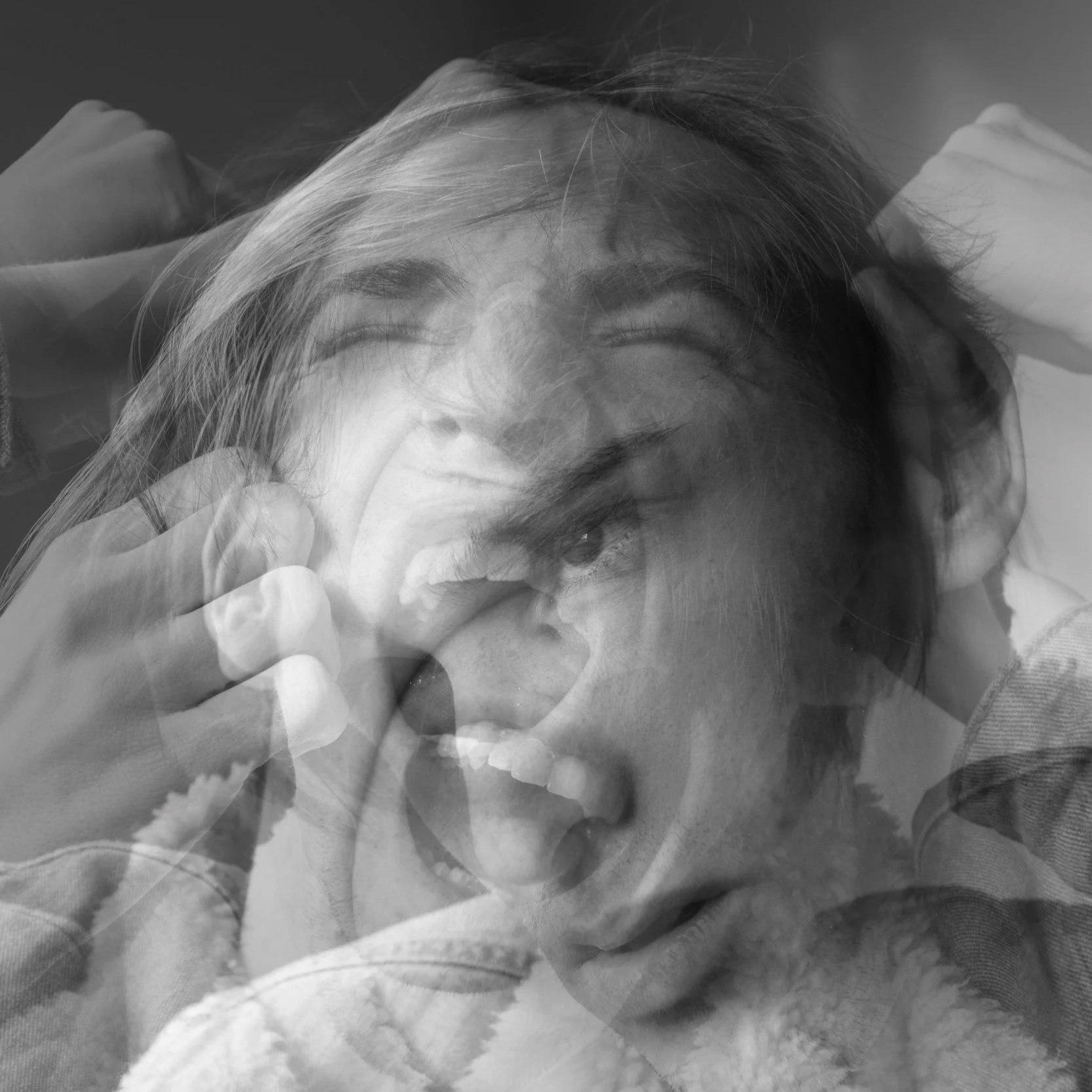
What is Frustration Tolerance?
Frustration tolerance is an ability to manage and cope with the discomfort associated when things feel challenging, stressful, out of our control or imperfect. Part of the process of expanding our frustration tolerance is to sit with, experience and then cope with the feeling and/or trigger - rather than suppressing it.
Low frustration tolerance can show up as:
getting easily overwhelmed in new situations
avoidance or procrastination
harsh self-criticism or perfectionism
Part of the process of building frustration tolerance is increasing our ability to tolerate or sit with that which may be triggering our frustration.
How Art Therapy Can Help Build Frustration Tolerance
In an Art Therapy session, you are held in a safe space by the therapist who is there to support and guide you along your journey with the help of exploring and using different art materials. When we engage in the art-making process, no matter what level or amount of experience, we are challenged in different ways. Whether it be the nature of a more fluid material like watercolors or paint that may require more precision or leaning into the “messiness” or the rigidity of pencils or pens that may require to be used in creative ways to find more fluidity - engaging in the art-making process brings up emotions. What is helpful about being with an Art Therapist in those moments is being able to have support in finding the tools to manage and name those feelings that come up - both of which are essential in building frustration tolerance. Also, having a set of eyes outside of yours to witness and perhaps even name can also facilitate the experience of coping and awareness.
This may look like finding ways to slow down when noticing the feelings of frustration in your body when using a certain material. It may be stopping in those moments to implement a resource or tool that may help you feel more at ease in your body. It may be exploring and naming the feelings associated and even exploring why frustration feels so challenging for you in the moment. Every session and therapeutic framework looks different but Art Therapy can be a beautiful space to help you expand your frustration tolerance in many different ways.
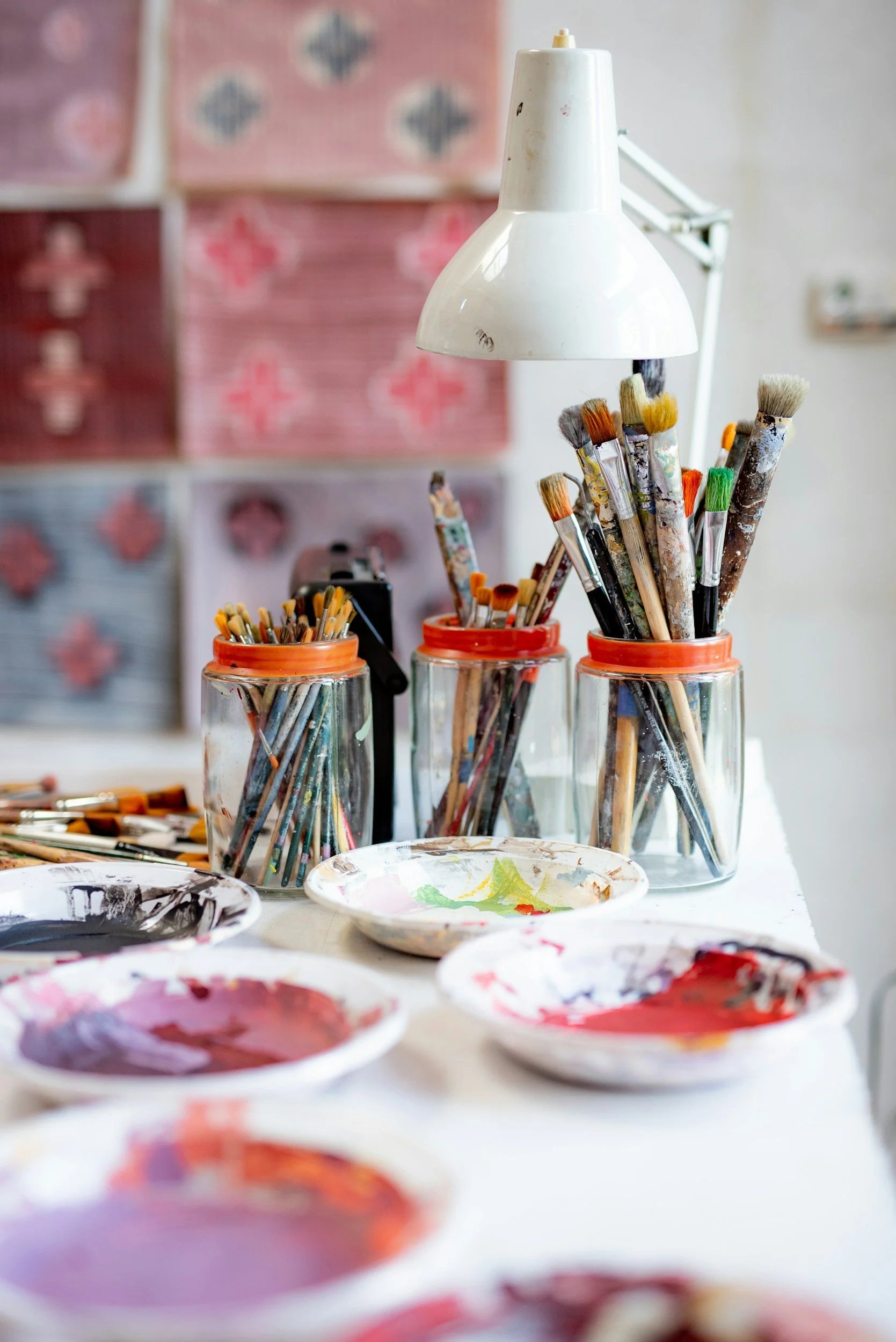
3 Practices to Build Frustration Tolerance
Here are some ideas that you can try on your own at home to start to notice and expand your frustration tolerance.
Make messy/ugly/imperfect art: you can assign it whatever name feels best for you but the intention is to make art free of expectations or rules. Don’t worry or focus on how it looks but rather allow yourself and give yourself permission to have fun with it and for your intuition to guide you.
why this helps: it allows for you to see that it’s never actually as bad as we think it is when we give ourselves permission to simply play and explore. It also helps bring you into a flow state which can be a great tool for frustration tolerance.
Draw with your non dominant hand: again, give yourself permission to explore, to play and to be fully in the process. Doodle, draw something specific or maybe you just try to write your name - the only “rule” is to use your non dominant hand.
why it helps: when we set the intention to make something “ugly” we free ourselves from the judgment within.
Breath to movement: grabbing whatever drawing material of your choosing, start to draw lines on the paper and match your breath to it. When you inhale, you draw a line and with each exhale you do the same - they may be connected or separate - it is less about how it looks and more about being able to connect to the breath.
why it helps: this process invites you to explore and practice ways in which you can use your breath while engaging in art-making. This can be a tool for you to come back to and use in moments of frustration when you are engaging in the art-making process, no matter the medium and a gentle reminder to slow down.
reminder: these are not substitutes for Art Therapy
Experiencing frustration is a normal part of life that none of us can avoid or escape. With proper tools, support and patience we can find different ways to notice, identify and manage our feelings so that we can increase our tolerance. Art Therapy and the art-making process can be a beautiful way and space to do so. By using different materials and being supported by a compassionate person, Art Therapy can help us be present to the experience and overcome our challenges associated to it.
If you are in Florida and are curious to explore Art Therapy as a way to support you managing your feelings of frustration, I am currently accepting new clients in person (Miami, FL) and virtually. I offer a FREE consultation call via Zoom which you can sign up for here.
